
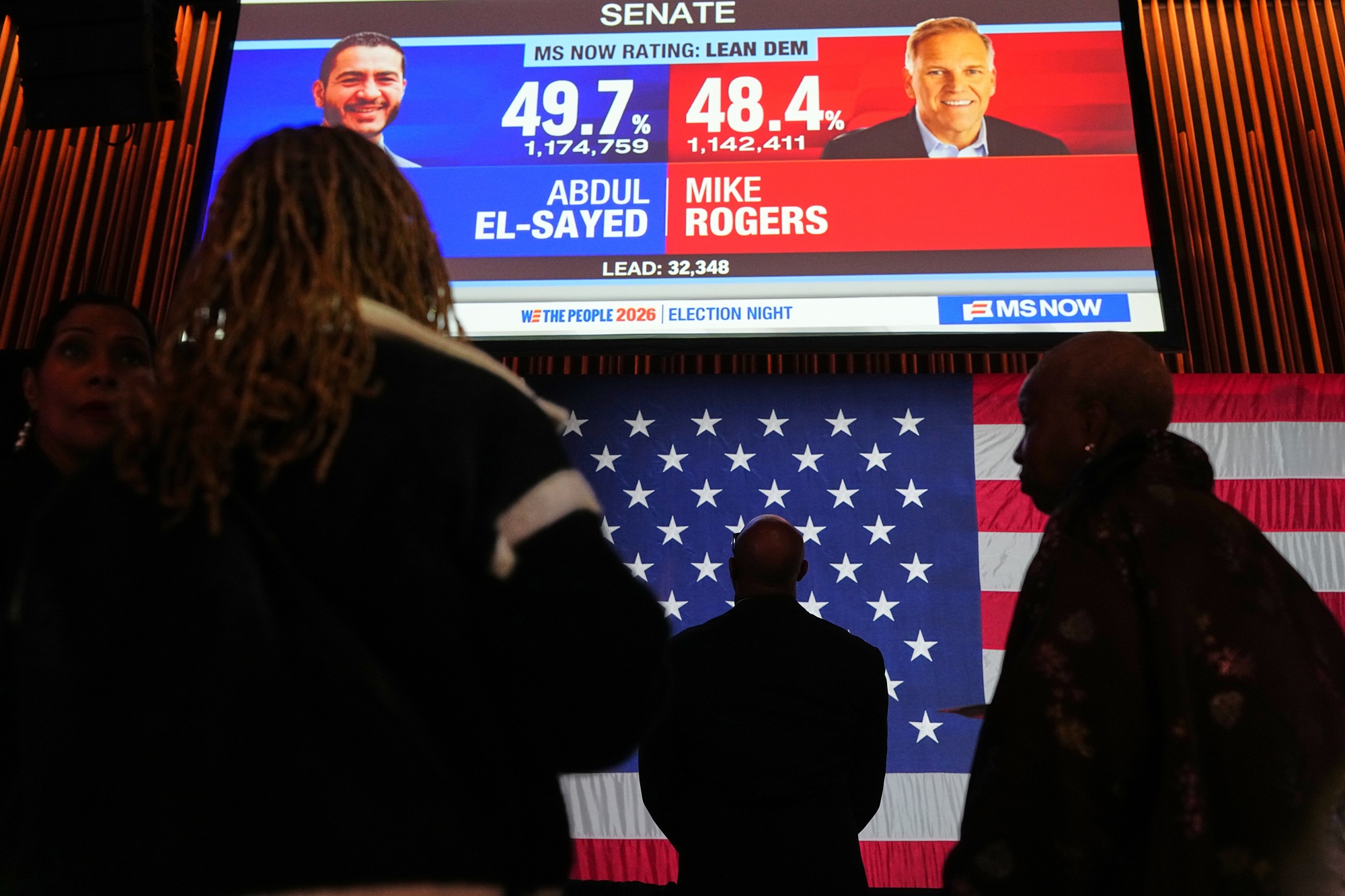
How will voters respond to divided government as power splits between political parties today? Recent reports from NBC News highlight new questions about how everyday citizens react when no single party holds full control. People across the country must now watch how leaders work together or fight over major decisions.
What Is Divided Government and Why Does It Matter?
A divided government happens when one political party controls the executive branch while another party holds the majority in Congress. This setup forces leaders from different sides to share control over making laws and setting budgets. When this occurs, passing new legislation often requires compromise between both major political parties.
For many everyday citizens, this setup can slow down the lawmaking process in Washington. Some people like this balance because it prevents any single group from passing extreme changes without support. Others get upset when key bills face heavy delays or get stuck completely. Many people consider themselves an independent voter when deciding how to judge this kind of split power.
How Will Voters Respond to Divided Government?
Voters often react to a split power structure in very different ways depending on their own personal goals. Some voters reward leaders who find middle ground and work across the aisle to get things done. Other voters prefer their elected officials to stand firm and block policies from the opposing side.
Here is how different groups usually view a split leadership in Washington:
- Party loyalists: They often want their representatives to fight hard against the opposing party policies.
- Moderate voters: They tend to favor quick deals, shared solutions, and steady progress on daily issues.
- Undecided citizens: They closely watch which party gets blamed when major government work stops.
What Happens Next for American Voters?
As leaders navigate this split setup, key decisions about taxes, spending, and public programs will face tough debates. Both political parties will try to convince the public that their own approach is best for the country. Every vote cast in upcoming local and national elections will shape which party gains ground next.
Groups like the League of Women Voters work to keep citizens informed about these major political changes. Everyday citizens will continue to check how split leadership impacts their personal bank accounts and local communities. The big question remains whether this division brings stable compromise or long political standoffs in the coming months.